Beyond the Office Day: The Loop’s Next Chapter Takes Shape |
A new quarterly report puts business openings and residential conversions at the center of downtown’s changing daily life. |
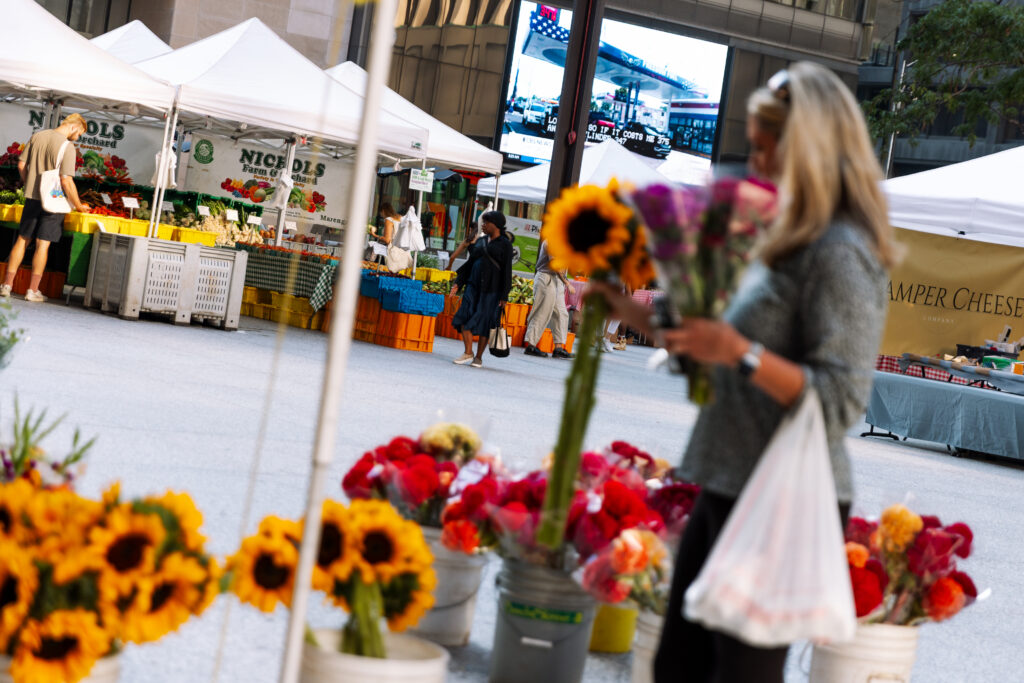
The Loop’s future is being shaped by more than the return of office workers. New storefronts and new homes are part of the same neighborhood story: a downtown that needs to work for residents, workers and visitors at different times of day. Chicago Loop Alliance’s October 20 quarterly update offers a useful snapshot. Its third-quarter report highlights ten new businesses and the completion of an office-to-residential conversion along the LaSalle Street corridor. Those developments do not answer every question about downtown’s recovery, but they give neighbors concrete changes to watch. 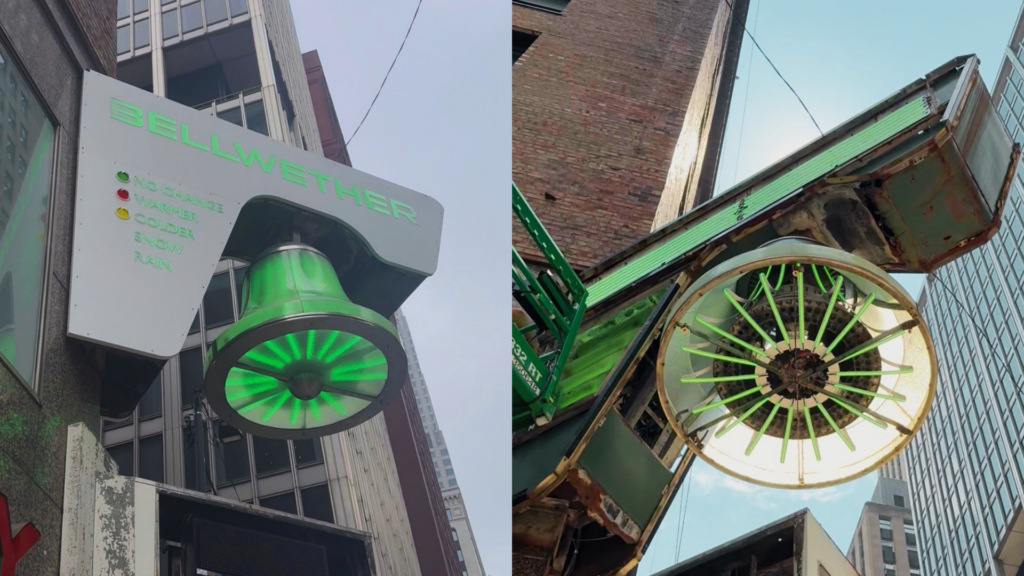
Look beyond the opening announcementThe Alliance’s Q3 report identifies new retail and dining activity alongside continued building investment. It describes Raygun and Mood Fabrics as part of the district’s retail mix and points to a broader effort to give people reasons to spend time downtown outside a traditional office schedule. For someone who lives here, an announcement is only the start. Useful businesses are the ones that fit actual routines: picking something up on the way home, meeting a friend without planning a major outing, or finding a place open when the workday ends. A former office building becomes a place to liveThe Bellwether Residences at 79 W. Monroe Street provides a particularly visible example. Urbanize Chicago’s September opening report describes the conversion of eleven office floors into 117 apartments. That is a tangible change in how a downtown building is used. It is not evidence that every vacant office tower can be converted in the same way, or that the district’s commercial challenges have disappeared. The more useful question is how new residents will be supported by the streets, services and businesses around them. An old neighborhood signal returnsThe building also connects the current housing story to a familiar piece of street-level history: the weather bell at Monroe and Clark. The Alliance’s history of the sign traces it to Bell Savings & Loan’s presence in the building in 1951 and describes its role in signaling changes in weather through colored lighting. As part of the building’s transformation, the sign has received renewed attention. It is a reminder that reuse can involve both adding homes and preserving details people recognize. A neighborhood’s identity often lives in those ordinary landmarks as much as in its largest projects. What residents should watch nextRead the full quarterly report with an eye toward your own block. Which changes make a daily errand easier? Which corners still need activity? Does a new opening help the evening crowd, the weekend crowd or mostly people who already work nearby? Those are questions residents can answer from experience. They are also a good way to judge whether downtown investment is becoming a more useful neighborhood. Join the conversation: What does your part of the Loop need most after 5 p.m.—a grocery option, a casual restaurant, a useful shop, more public activity or something else? Reporting checked October 28, 2026. Photo source: Chicago Loop Alliance’s Q3 report. |
1 Comment
Join the conversation
LoopLine Live discussion starter: What would make you spend more time in the Loop after office hours—restaurants, shops, cultural events, housing, or better everyday services? Tell us your top priority.